Safari Guides

Is Nairobi National Park Safe?

Navick 5 min read

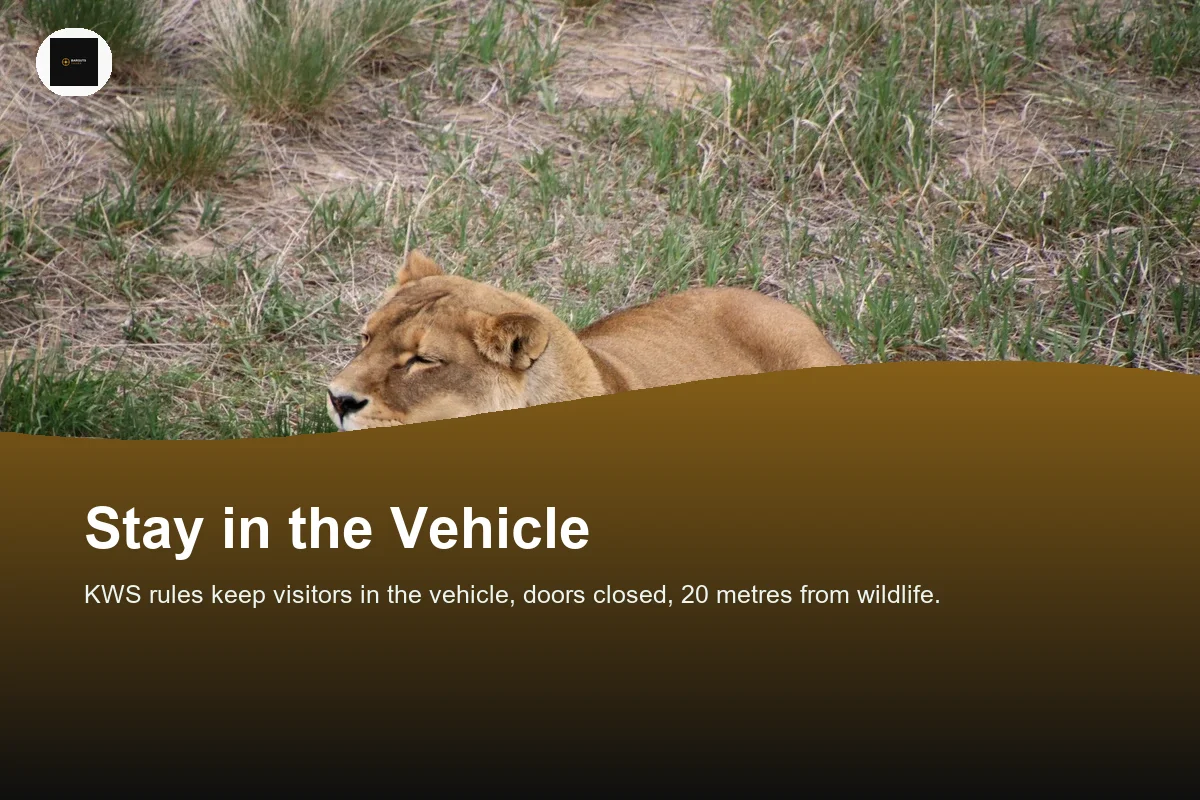
Yes, Nairobi National Park is safe for visitors who remain in the vehicle, keep the doors closed, and stay 20 metres from wildlife, as KWS rules require. Lions occasionally stray from the open southern side into nearby areas, and KWS recaptures them. Driving inside is low-risk at the 40 km/h limit on marked roads. During an encounter, you stop, stay quiet, and let the animal move away, and in an emergency you call KWS on 0800 597 000.

How Do Visitors Protect Themselves Inside?

To protect themselves inside, visitors remain in the vehicle, keep the doors closed, and stay 20 metres from wildlife. KWS lists 5 core safety rules for the park (Kenya Wildlife Service, 2026):

  1. Stay in your vehicle, except in designated areas.
  2. Keep the doors closed at all times.
  3. View wildlife from at least 20 metres away.
  4. Drive on established roads and trails only.
  5. Leave the park before the gates close at 6:00 PM.

KWS states that visitors enter the park at their own risk. The same rules apply in larger parks, as covered in Nairobi National Park vs Maasai Mara.

Do Lions Ever Leave the Boundary?

Yes, lions occasionally stray from the open southern side into nearby areas, and KWS recaptures them. The park is fenced on the north, east, and west, while the south stays open to the Kitengela plains.

In January 2026, KWS issued an advisory after two lionesses were seen about 8.3 km outside the boundary. Strays move into neighbouring areas, not through the visitor circuits.

Is Driving Inside Risky?

No, driving inside is low-risk at the 40 km/h limit on marked roads. Speeding attracts penalties, and off-road driving is prohibited (Kenya Wildlife Service, 2026).

The main hazards are animals crossing the road and soft ground after rain. Park-ready vehicles sit on Nairobi National Park car hire, and self-drive rental terms sit on self drive car hire in Nairobi.

What Do You Do During an Encounter?

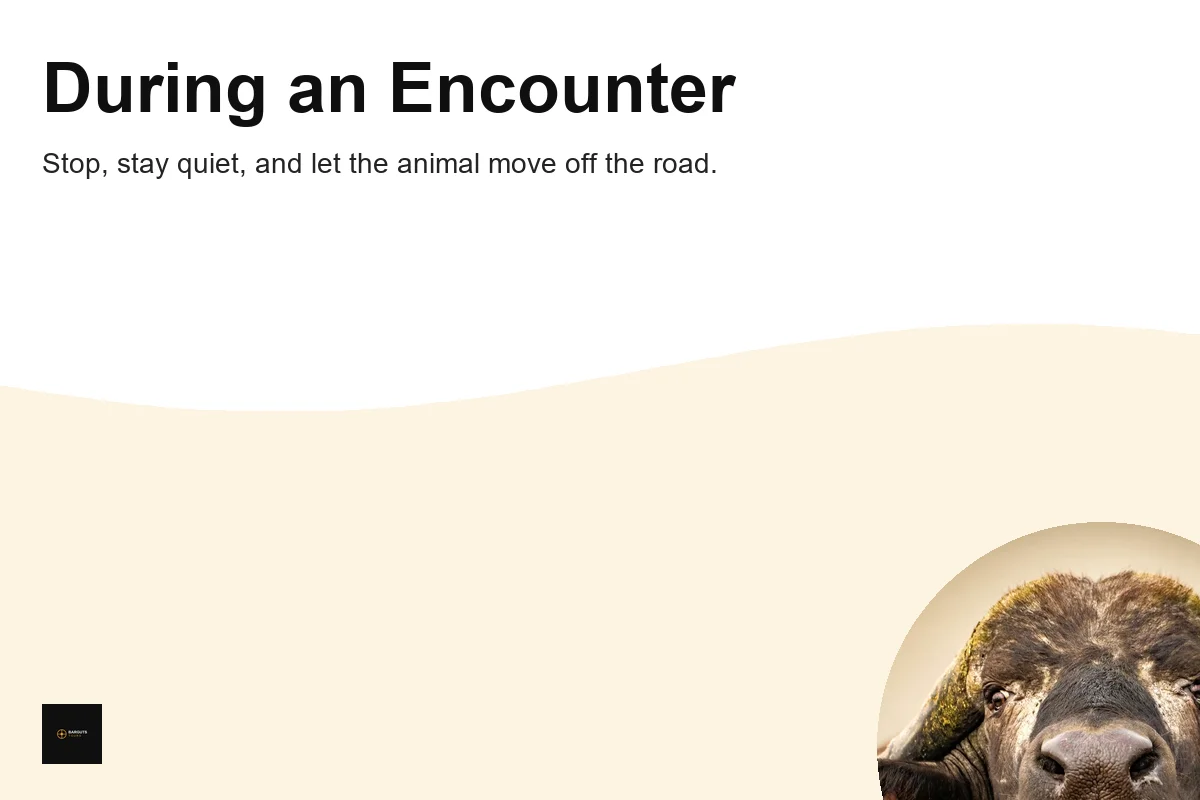
During an encounter, you stop, stay quiet, and let the animal move away:

Close-up portrait of a powerful African buffalo with horns in the wild
Stop, stay quiet, and let the animal move off the road.
  1. Stop the vehicle and keep the engine running.
  2. Close the windows, if the animal comes within 20 metres.
  3. Stay quiet and avoid sudden movements.
  4. Wait until the animal moves off the road.

Never hoot at wildlife, because KWS prohibits car hooting in the park. Animals react dangerously when startled.

Who Do You Call in an Emergency?

In an emergency, you call KWS on 0800 597 000 and the police on 999. The KWS hotline also answers on 0758 854 363 (Kenya Wildlife Service, 2026).

Save both numbers before you enter the park. Share your planned route and exit time with someone outside the park.

What Is There to Do Beyond Driving?

Beyond driving, you can walk at Hippo Pools with a ranger, picnic at designated sites, and watch birds. The full list sits in things to do in Nairobi National Park besides a game drive.

Frequently Asked Questions

Is a Visit Safe for Children?

Yes, a visit is safe for children who stay inside the vehicle. Keep windows partly closed near large animals.

Are Rangers on Patrol?

Yes, KWS rangers patrol the park and staff the gates. Rangers also escort walks at Hippo Pools.

Is It Safe to Picnic?

Yes, picnics are safe at the designated sites, where stepping out is allowed. Carry all trash back out with you.

Do Selfies With Animals Break the Rules?

Yes, approaching animals for selfies breaks the 20-metre rule, and KWS has warned visitors against the practice. Use a zoom lens instead.

Can Day Visitors Stay After Dark?

No, day visitors leave before the gates close at 6:00 PM. Only overnight guests stay inside after dark.


WhatsApp Call Now