Yes, Nairobi National Park bird watching is excellent, with more than 500 bird species recorded on the park’s Key Biodiversity Area factsheet. Ostrich, secretarybird, kori bustard, grey crowned crane, and martial eagle stand out among the residents. The best time to see migrant species is November to April, when Palearctic migrants join the resident birds. Hippo Pools, the dams, and the forest edge near the Main Gate are the best spots, and binoculars, a field guide, and a long lens are the 3 items that help you most.
How Many Species Have Been Recorded?
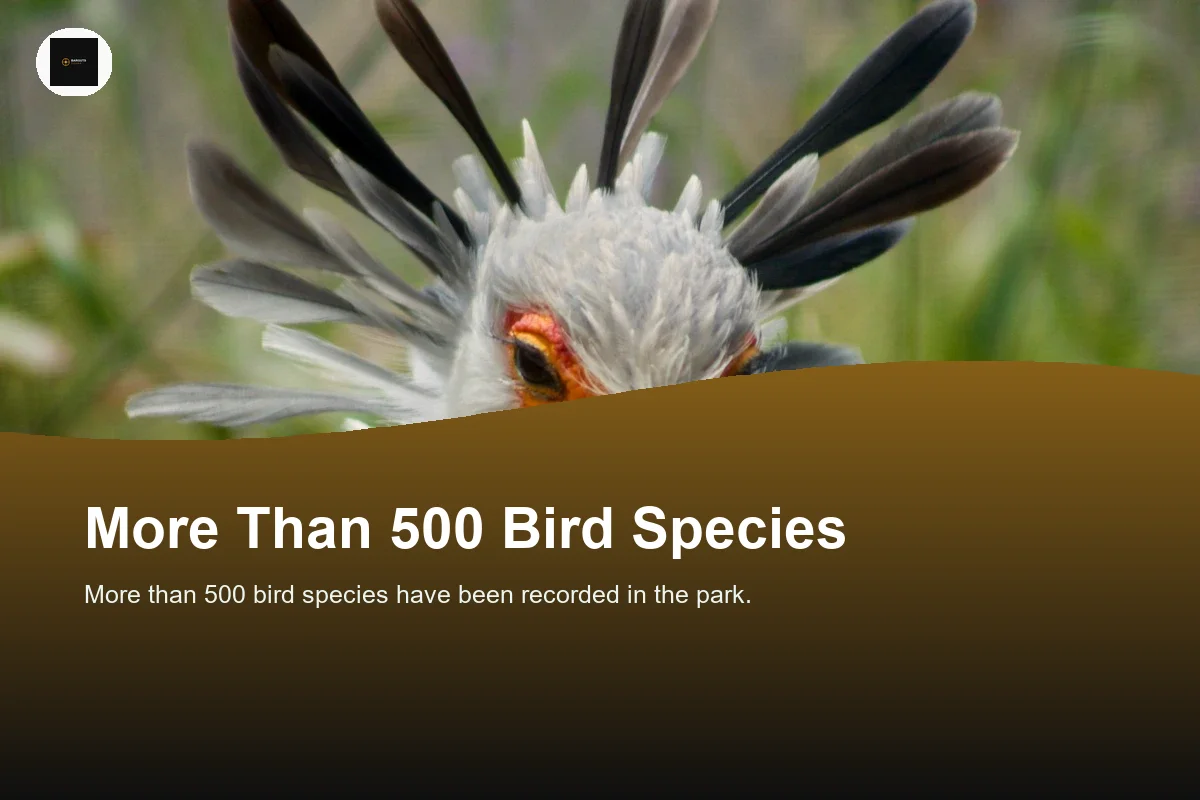
More than 500 bird species have been recorded, with 516 listed in the park’s Key Biodiversity Area factsheet (Key Biodiversity Areas, 2015). KWS describes the park as home to over 400 bird species (Kenya Wildlife Service, 2026). Nature Kenya’s park checklist lists 493 species.
Open grassland, riverine forest, and wetlands sit within 117 square kilometres. Mammal species sharing the same plains sit in animals in Nairobi National Park.
Which Birds Stand Out?
The 5 birds that stand out are ostrich, secretarybird, kori bustard, grey crowned crane, and martial eagle:
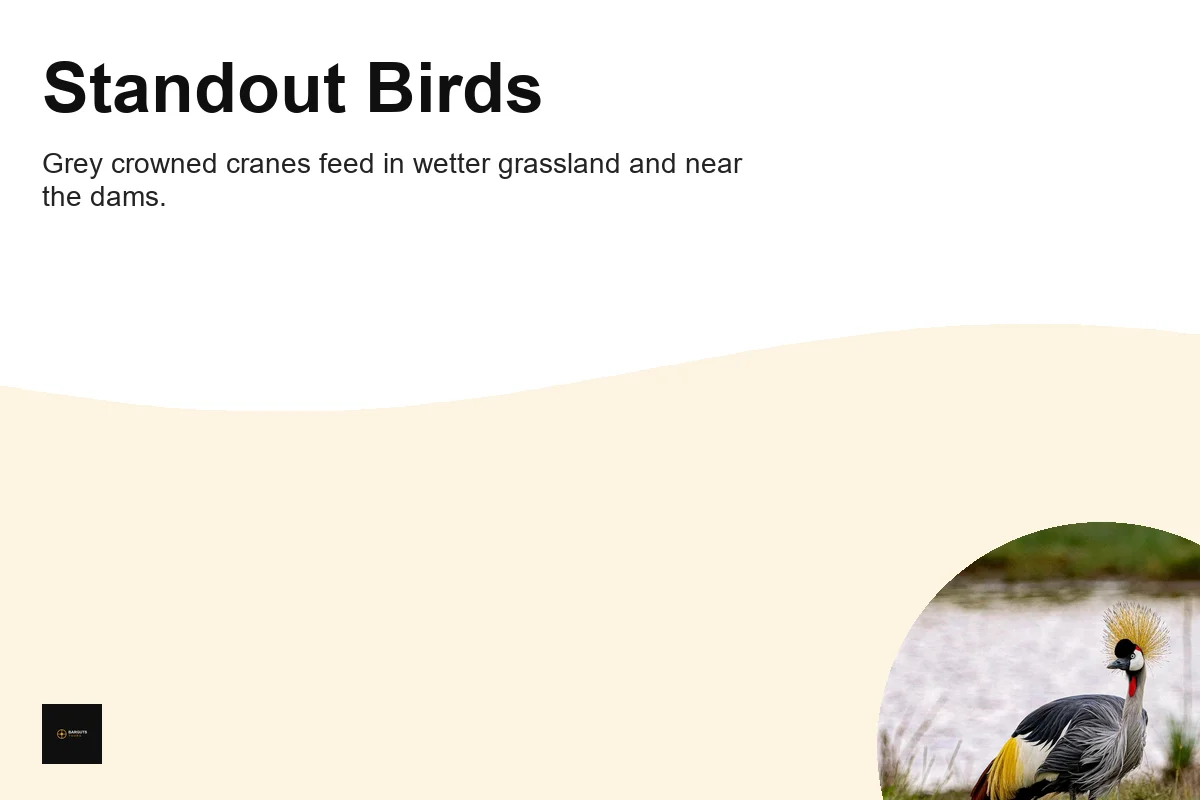
Grey crowned cranes feed in wetter grassland and near the dams.
Ostrich stride across the open plains in small groups.
Secretarybirds stalk snakes and rodents through the grass on long legs.
Kori bustards, among the heaviest flying birds, walk the short grassland.
Grey crowned cranes feed in the wetter grassland and near the dams.
Martial eagles hunt from high perches over the plains.
Vultures also gather over the plains, often near predator kills. BirdLife International lists several of these birds among the species that qualify the park as an Important Bird Area.
When Do Migrant Species Arrive?
The best time to see migrant species is November to April, when Palearctic migrants join the resident birds. Birds from Europe and Asia winter in Kenya during those months.
Migrant season overlaps with the short rains and the short dry season. You see the widest mix of species in December and January.
Where Are the Best Spots?
The best spots are Hippo Pools, the dams, and the forest edge near the Main Gate. Water and woodland edges hold the most species in a small area.
Hippo Pools has a short trail along the river, where kingfishers and herons feed. The dams draw waterbirds and grazing herds in the dry months.
Need a Car in Nairobi?
Self-drive & chauffeur hire available today — same-day quote in minutes.
The 3 items that help spotting are binoculars, a field guide or app, and a long camera lens:
Binoculars with 8x or 10x magnification for distant raptors.
A field guide or app for East African birds, to confirm species.
A long camera lens of 300 mm or more for photography.
A slow self-drive suits birders, because you stop wherever a bird appears. Rental terms sit on self drive car hire in Nairobi.
Is the Trip Worth It for Non-Birders?
Yes, the trip is worth it for non-birders too, because rhino, lion, and giraffe share the same plains. The full case for a visit sits in is Nairobi National Park worth it.
Frequently Asked Questions
Is the Park an Important Bird Area?
Yes, BirdLife International lists Nairobi National Park as an Important Bird Area. The listing reflects species such as the grey crowned crane and the secretarybird.
Are Vultures Present?
Yes, several vulture species feed on the plains, often near predator kills. Watch the sky for circling birds.
Is a Checklist Available?
Yes, Nature Kenya publishes a checklist of 493 species for the park. Use the checklist to log your sightings.
Are Mornings Better for Spotting?
Yes, mornings bring the most bird activity, from the 6:00 AM opening. Birds call and feed most before the heat builds.
Can You Watch From Inside the Car?
Yes, you watch from inside the car, because KWS rules keep visitors in vehicles outside designated areas. A window mount steadies a long lens.
Barguts Tours — Nairobi
Looking for a Reliable Vehicle in Nairobi?
NTSA-licensed, fully insured hire — self-drive, chauffeur, airport transfer, or safari. Same-day confirmation, seven days a week.