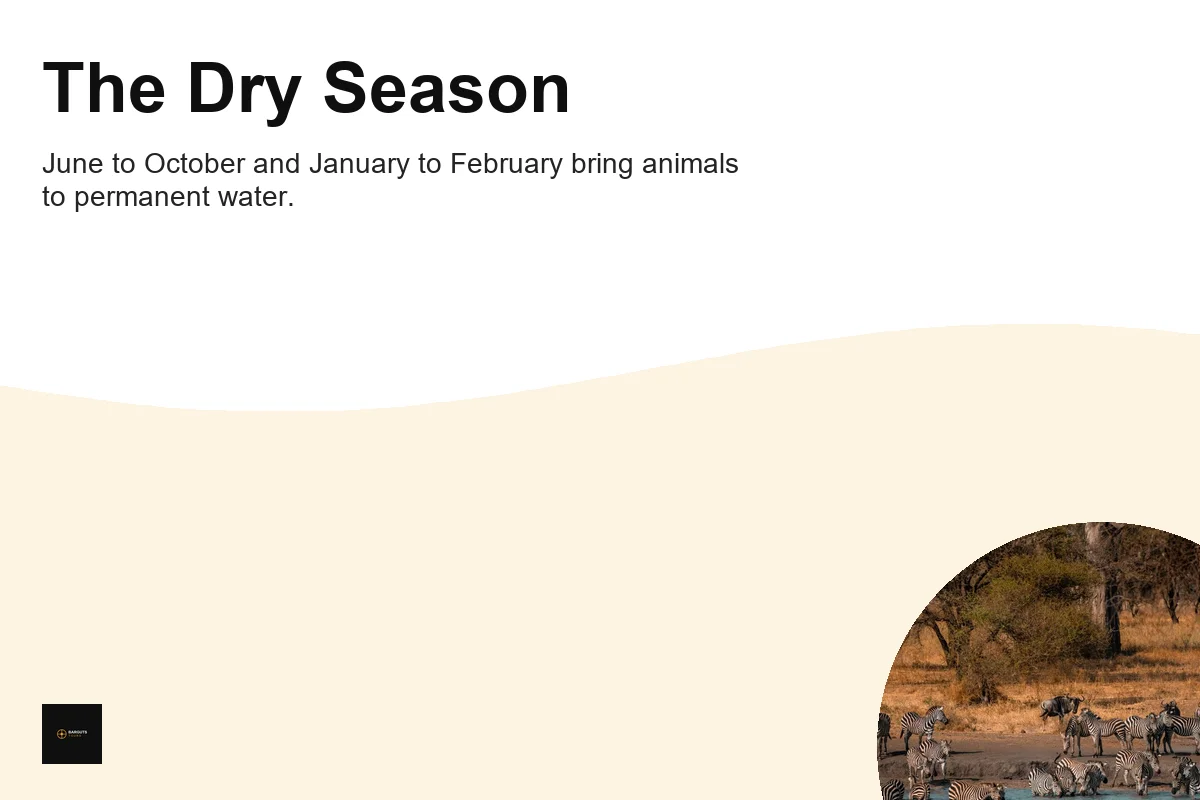
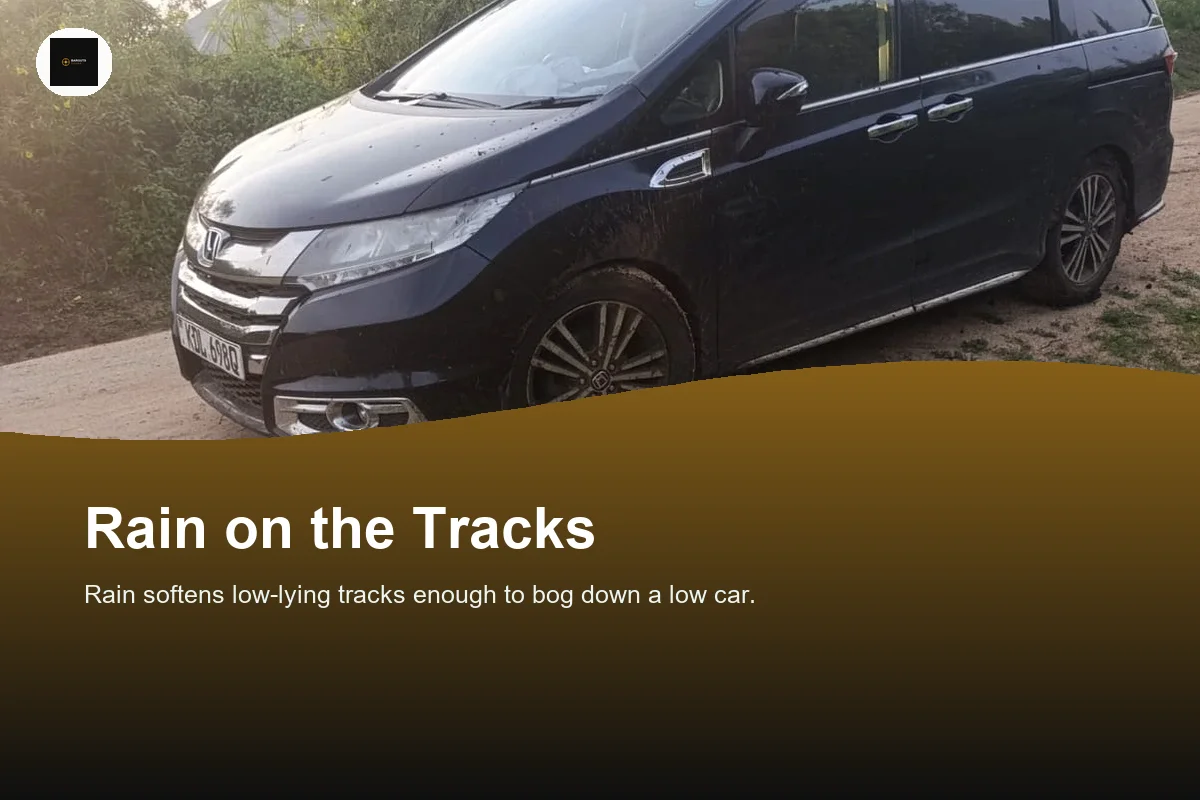
The best time to visit Nairobi National Park is the dry season, from June to October and from January to February, when animals gather at permanent water. The weather stays mild all year, with days of about 21 to 27°C and nights of about 10 to 14°C. Rain softens the low-lying tracks enough to bog down a low car, so the wet months suit high-clearance vehicles. Early morning from the 6:00 AM opening is the best time of day, and the green season rewards you with dust-free skies, newborn animals, and migrant birds.
Which Months Suit Game Viewing Best?
The months that suit game viewing best are the dry months from June to October and January to February, when animals gather at permanent water. Hippo Pools on the Athi River and the dams in the Athi Basin draw the herds. Short grass makes predators easier to spot.
The weather is mild all year, with days of about 21 to 27°C and nights of about 10 to 14°C. Nairobi has two rainy seasons: the long rains from March to May and the short rains from October to December (Kenya Meteorological Department, 2026).
The table below shows each season by months, rainfall, and game viewing.
Season
Months
Rain
Game viewing
Long rains
March to May
Heaviest of the year
Animals spread out; lush grass
Long dry season
June to October
Little rain; cool mornings
Best; herds gather at water
Short rains
October to December
Short afternoon showers
Good; migrant birds arrive
Short dry season
January to February
Little rain; warmest days
Very good; short grass
July is the coolest month, with average lows near 10°C at Nairobi’s Dagoretti weather station. Pack a warm layer for a 6:00 AM start from June to August.
Does Rain Make the Tracks Harder to Drive?
Yes, rain softens low-lying tracks enough to bog down a low car. Black cotton soil in the valleys turns slick after a heavy shower. Higher, stony tracks stay passable.
Rain softens low-lying tracks enough to bog down a low car.
A vehicle with high ground clearance handles the wet months best. Off-road-capable options sit on 4×4 car hire in Nairobi.
Which Time of Day Works Best?
The time of day that works best is early morning from the 6:00 AM opening, when predators are active and the air is cool. Late afternoon is the second-best window, as animals leave the shade.
Yes, the green season brings dust-free skies, newborn animals, and migrant birds, although wildlife spreads out. Photographers get clear air and green backdrops against the city skyline.
Fewer vehicles share the circuits in the wet months. Visitors who drive themselves set their own pace, and rental terms sit on self drive car hire in Nairobi.
Which Animals Are You Likely to See?
The animals you are likely to see include giraffe, zebra, buffalo, and lion, with black rhino in the sanctuary. The full species list sits in animals in Nairobi National Park.
Frequently Asked Questions
Is July a Good Choice?
Yes, July falls in the long dry season, when tracks are firm and animals gather at water. Mornings are cool, so bring a jacket.
Do the Long Rains Soften Every Road?
No, the long rains soften mainly the low-lying murram sections, while higher tracks stay drivable. Allow extra time on valley routes after rain.
Is a Jacket Needed for Early Starts?
Yes, a light jacket helps at 6:00 AM, when temperatures sit between 10 and 14°C. The day warms quickly after 9:00 AM.
Does Christmas Fall in the Wet Months?
Yes, Christmas falls at the end of the short rains, so pack a light rain layer. Showers tend to come in the afternoon.
Are Weekends Busier Than Weekdays?
Yes, weekends bring more visitors, most of all between 6:00 and 8:00 AM. A weekday start gives you quieter circuits.
Barguts Tours — Nairobi
Looking for a Reliable Vehicle in Nairobi?
NTSA-licensed, fully insured hire — self-drive, chauffeur, airport transfer, or safari. Same-day confirmation, seven days a week.